What Makes Pop Music Pop? A Listener's Guide
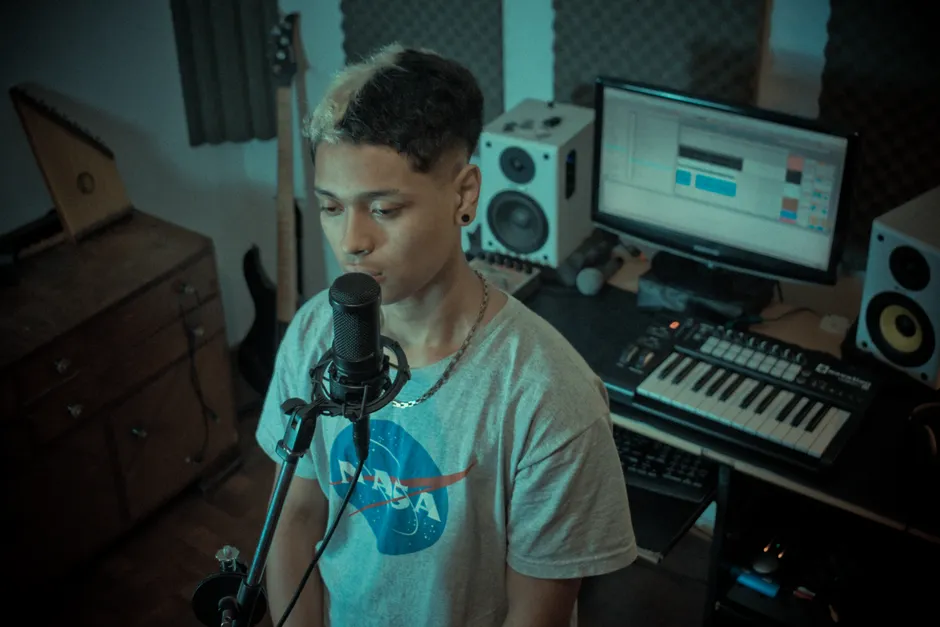
Pop is a moving target with a strong memory
Pop music is less a sealed genre than a way of organizing music for broad, immediate connection. It often favors memorable melodies, repeated hooks, clear sections, focused arrangements, and production choices that make the central idea easy to find. None of those traits belongs only to pop, and not every pop song uses all of them. The category shifts whenever listeners, technology, and neighboring genres bring new furniture into the room.
That flexibility explains why two songs can sound wildly different yet both feel recognizably pop. The useful question is not “Does this use the official pop instrument?” There is no such instrument, unless somebody has finally patented the pre-chorus.
The hook gives attention somewhere to land
Pop usually offers a phrase, rhythm, melody, sound, or lyrical idea that returns and becomes recognizable. A hook may live in the chorus, but it can also be an opening riff, vocal texture, drum pattern, or tiny production gesture.
Our guide to writing a pop hook explains how repetition and variation work together. A hook is not merely something repeated; it is something whose return gains meaning from what happens around it.
Structure manages anticipation
Verses commonly introduce detail or movement, while choruses provide a recurring center. Pre-choruses, bridges, post-choruses, breakdowns, and instrumental passages can create lift or contrast. These are functions, not compulsory rooms in a prefabricated house.
The pop song structure guide shows how each section can earn its place. Some songs reach the hook quickly; others delay it. What matters is that the arrangement keeps shaping expectation rather than merely stacking sections because a template had labels.
Production makes priorities audible
Pop production tends to clarify what listeners should notice now. Levels, register, rhythm, panning, texture, vocal treatment, and section density can all place a lead idea in front. A sparse track may use silence and contrast; a dense one may use careful separation and automation.
Polish is common but not mandatory. Roughness can become the defining pop texture when it is deliberate and the song's focus remains legible. Expensive equipment cannot vote a confusing chorus into office.
Familiarity meets one useful surprise
Pop often balances recognizable patterns with a distinctive turn: an unexpected melodic leap, unusual drum sound, conversational lyric, borrowed genre rhythm, or abrupt section change. Too much familiarity can feel anonymous; too much novelty can make the listener work before knowing why.
The balance varies by audience and moment. Yesterday's startling production trick may become tomorrow's preset, then return years later wearing vintage sunglasses.
Pop borrows without becoming empty
Rock guitars, dance rhythms, rap cadences, folk storytelling, electronic sound design, and regional styles regularly enter pop. Our genre-blending guide explains why describing those relationships requires more care than pouring every influence into a label blender.
Borrowing raises questions of credit, context, and rights. Whether a specific use of a recording, lyric, or melody needs clearance depends on the material, territory, and agreements involved. Check the proposed use with a qualified music-rights adviser before release.
Audience context completes the definition
Pop also circulates through radio, playlists, short-form video, live performance, fan communities, and charts. Those routes change over time and across regions, so verify any claim about a particular service or chart against its current documentation.
Listen for the central hook, the management of repetition, the clarity of section roles, and the way production directs attention. Pop remains recognizable not because it follows one fixed recipe, but because it keeps redesigning the route between a musical idea and a listener's memory.